
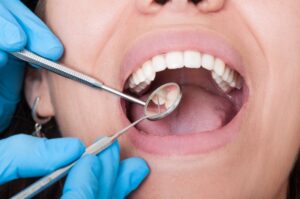
Cavities don’t always form on the chewing surfaces of teeth. In many cases, decay develops between the teeth, an area that’s harder to see and clean. These cavities—often called interproximal cavities—can go unnoticed until they cause discomfort. Knowing the warning signs can help you seek treatment early and prevent more serious dental problems.
Why Cavities Form Between Teeth
The spaces between teeth are especially vulnerable to cavities because toothbrush bristles can’t always reach them effectively. When plaque and food particles aren’t removed with flossing, bacteria produce acids that gradually weaken tooth enamel. Over time, this can lead to decay that spreads quietly between neighboring teeth.
Early Signs You Might Notice
Cavities between the teeth often start without obvious symptoms. As decay progresses, you may notice increased sensitivity to hot, cold, or sweet foods and drinks. Some people experience brief, sharp pain when biting down or chewing. You might also feel a rough or sticky sensation when flossing between certain teeth, which can indicate enamel damage.
Visual Changes to Watch For
Because these cavities are hidden, they’re difficult to spot in the mirror. However, you may occasionally notice dark spots or discoloration near the contact point between teeth. In some cases, the tooth may look slightly shadowed or dull compared to neighboring teeth. These changes aren’t always visible, which is why professional exams are so important.
Bad Breath or Unusual Taste
Persistent bad breath or a bad taste that doesn’t go away with brushing and flossing can be a sign of decay between teeth. Bacteria trapped in these areas can produce odors and unpleasant tastes. If this symptom continues despite good oral hygiene, it may be time to see your dentist.
How Dentists Detect Cavities Between Teeth
Dentists use a combination of visual exams, dental instruments, and X-rays to detect interproximal cavities. Bitewing X-rays are especially effective at revealing decay hidden between teeth before it becomes painful or extensive. Regular dental checkups allow cavities to be caught early, often requiring less invasive treatment.
What to Do If You Suspect a Cavity
If you notice sensitivity, discomfort, or changes when flossing, schedule a dental appointment as soon as possible. Early treatment may involve a simple filling, while delayed care could lead to larger restorations or even root canal therapy.
Preventing Cavities Between Teeth
Daily flossing is the best defense against cavities between teeth. Using fluoride toothpaste, limiting sugary snacks, and attending regular dental visits also help keep these hard-to-reach areas healthy.
Cavities between the teeth can be sneaky, but paying attention to small changes in how your teeth feel can make a big difference. Early detection protects your smile and helps keep dental treatment simple and stress-free.
About the Author
Dr. Ray Voller has an impressive 40-plus years of experience in the dental field. He is a graduate of the University of Pittsburgh School of Dental Medicine and has since received Fellowship and Masterships Awards from the Academy of General Dentistry. He’s also completed all 7 levels of continuing education offered by the renowned Pankey Institute. Today, Dr. Voller stays current in his field through memberships in the American Dental Association and the Pennsylvania Dental Association. If you have a cavity that needs repairing, we can help! Schedule an appointment online or call our Kittanning office at (724) 543-4948.